|
|
|
||||
 |
||||||
|
|||||||||||
|
 |
|
|
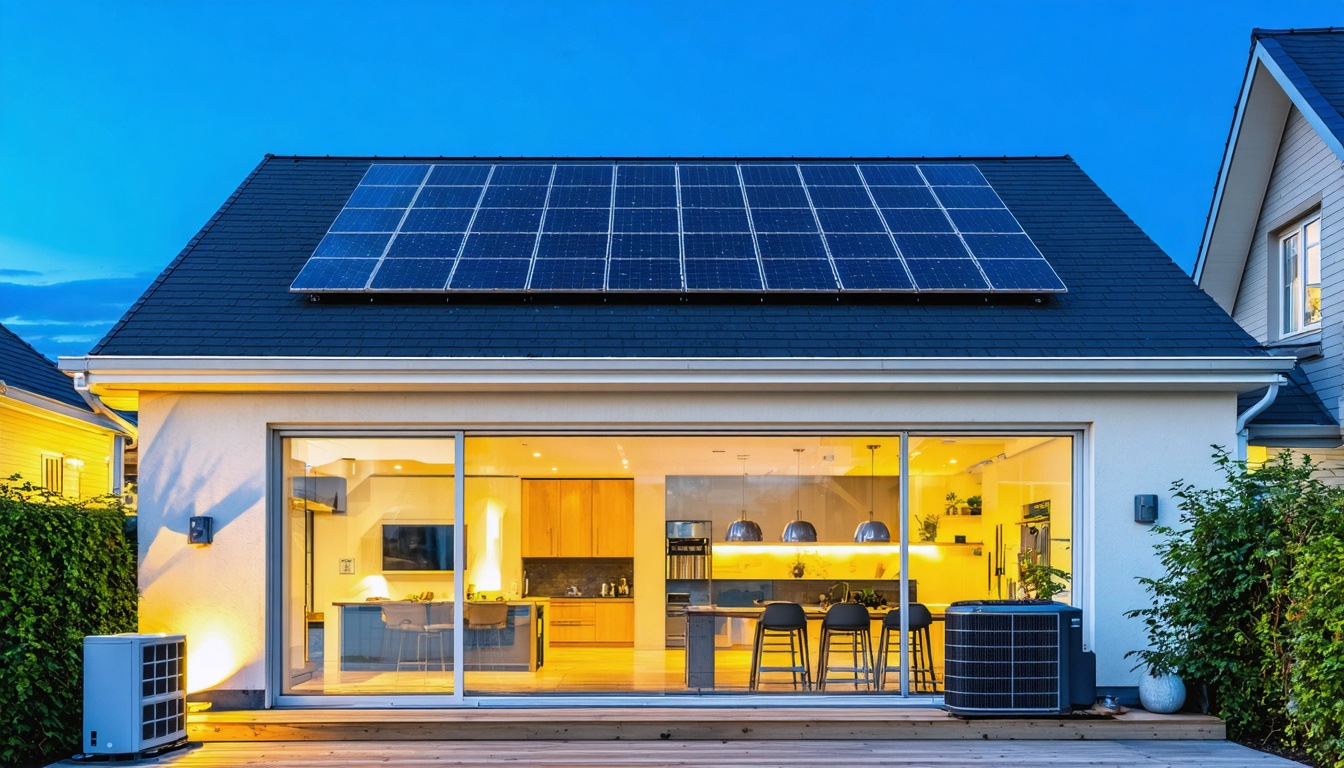 Home Energy Efficiency Improvements That Complement Solar PowerWhen considering the installation of solar power in your home, it can be beneficial to incorporate energy efficiency upgrades alongside it. Enhancing the energy efficiency of your home prior to solar installation can lead to reduced energy consumption, which may result in lower overall energy costs. Key improvements that can complement solar power include upgrading insulation, installing energy-efficient windows, and replacing outdated appliances with more efficient models. Improving insulation helps to maintain a stable indoor temperature, decreasing reliance on heating and cooling systems, which in turn reduces energy demand. Energy-efficient windows can minimize heat loss in the winter and reduce heat gain in the summer, further supporting energy savings. Upgrading to energy-efficient appliances—such as those rated by Energy Star—can also lead to significant reductions in household energy consumption. By reducing energy use, homeowners can increase the potential savings realized through solar energy production. In addition to potential cost savings on energy bills, these energy efficiency upgrades can enhance the overall value of the property and contribute to a lower carbon footprint. If you plan to proceed with both solar installation and energy efficiency improvements, it may be advisable to prioritize the upgrades that will yield the most significant impact on reducing energy consumption. Combining these measures can lead to a more effective and economical solar power solution. The Value of Energy Efficient Home ImprovementsInvesting in energy-efficient home improvements can offer several practical benefits beyond just reducing utility expenses. Such improvements often enhance the comfort of the living space and can positively impact the property's market value. Common upgrades aimed at increasing energy efficiency include replacing old windows, adding insulation, and installing a Smart Thermostat. These measures contribute to minimizing heat loss, improving indoor air quality, and lowering overall energy consumption. In the United States, homeowners may qualify for federal tax credits when they undertake eligible energy-efficient projects. These projects can include the installation of new heat pumps, Heat Pump Water Heaters, and appliances that are Energy Star certified. These tax incentives can help offset the initial costs of these upgrades, enhancing their financial viability. Homeowners considering the installation of solar panels may benefit from first improving their home's energy efficiency. This approach can lead to a reduction in the overall expense of the solar system and can also decrease the home's carbon footprint. By maximizing energy efficiency, homeowners can achieve more significant long-term savings and contribute to a more sustainable living environment. Key Benefits of Upgrading for Energy EfficiencyUpgrading a home for energy efficiency presents several practical benefits that can have a significant impact on both finances and sustainability. One key benefit is the potential reduction in annual electricity costs. Homeowners may experience savings potentially reaching hundreds of dollars by incorporating energy-efficient solutions such as solar panels, ENERGY STAR-rated windows, smart thermostats, and heat pumps. In addition to direct savings, there are financial incentives available through federal tax credits that can cover up to 30% of the initial costs associated with energy-efficient upgrades, including advanced heating systems like heat pump water heaters. This can make investing in energy efficiency more accessible for homeowners. Enhancements in energy efficiency often involve the installation of contemporary heat pumps and efficient water heating systems, which can lead to a noticeable decrease in natural gas consumption. This not only contributes to improved energy efficiency but also positively impacts indoor air quality. Furthermore, such improvements can reduce a home's carbon footprint, thus supporting broader environmental sustainability objectives. Recent analyses indicate that energy-efficient upgrades might also lead to an increase in residential property values. This suggests that homeowners looking to invest in real estate may find energy efficiency upgrades to be a practical financial choice. In summary, the argument for upgrading homes to improve energy efficiency is substantiated by the potential for cost savings on utility bills, the availability of government incentives, and the likelihood of increased property values. These factors make energy-efficient upgrades a rational consideration for homeowners aiming to enhance both their economic and environmental standing. Home Sealing and Insulation SolutionsEnhancing energy efficiency in residential properties is crucial, particularly when combined with renewable energy sources like solar power. Key strategies for improving energy efficiency include addressing air leaks and inadequate insulation. Sealing air leaks and adding insulation in areas such as attics and walls can lead to a noticeable improvement in a home's thermal performance, which can result in reduced energy consumption. Improvements might involve upgrading to energy-efficient windows, which can assist in maintaining a consistent indoor climate while decreasing heat loss. These upgrades provide not only individual homeowners with reduced energy costs but also contribute to overall energy demand reduction across businesses and communities. Additionally, enhancing insulation and sealing air leaks has potential environmental benefits. These measures can help to lower a household’s carbon footprint and increase the effectiveness of solar installations. Homeowners in the United States may also be eligible for federal tax credits related to energy efficiency projects, which can provide financial incentives for such upgrades. For detailed information about available options and eligibility criteria, consulting a certified Star Partner is recommended. Appliance Upgrades for Optimal PerformanceChoosing high-efficiency appliances can enhance a home's energy usage and support the performance of solar power systems. Energy Star-rated electric appliances, including heat pump water heaters, are designed to operate with improved efficiency, providing reliable access to hot water. These upgrades can lead to reduced energy costs and a decrease in carbon emissions. Recent technological advancements have also made it possible to integrate smart thermostats into home energy systems. These devices are essential for managing indoor air quality and optimizing energy consumption generated by solar panels. Smart thermostats can adjust heating and cooling settings based on factors such as occupancy and time of day, promoting more efficient use of solar energy. In the United States, homeowners may qualify for federal tax credits on qualifying energy-efficient projects, which can enhance the financial feasibility of such upgrades. It is also important to consider potential heat loss from air leaks and the inefficiencies associated with older appliances, as these issues can compromise the expected benefits of new installations. Overall, the selection of efficient appliances is a practical method for improving energy performance in residential settings. Advanced Heating and Cooling TechnologiesTo improve a home's energy efficiency, particularly when incorporating solar power, advanced heating and cooling technologies are necessary. Several options can enhance system performance, including heat pumps, ductless mini-split systems, and variable refrigerant flow (VRF) systems. Heat pump water heaters demonstrate significantly higher efficiency compared to traditional natural gas water heaters, which can lead to considerable cost savings over time. Energy Star-rated electric air conditioners, along with high-performance windows, can effectively reduce heat loss, thereby contributing to improved indoor air quality and thermal comfort. Homeowners in the United States may also benefit from federal tax credits available for these energy-efficient upgrades, which can make such projects more financially feasible. It is advisable to work with qualified local installers who can offer professional assessments and address potential air leaks. This collaborative approach can help to maximize the advantages of solar panel systems, resulting in consistent energy savings throughout the year. Smart Thermostats and Home AutomationA smart thermostat improves energy management by adjusting to the specific heating and cooling requirements of a household. This functionality can result in more efficient temperature control, potentially leading to reduced energy bills and a consistent level of comfort throughout the year. In the United States, many smart thermostats qualify for federal tax credits, which may encourage homeowners to adopt this technology. When used in conjunction with solar panels, smart thermostats can optimize energy consumption, particularly during times of peak solar output. Furthermore, other home improvements—such as window upgrades, air leak sealing, and the installation of heat pumps or Heat Pump Water Heaters—can enhance overall energy efficiency. These upgrades help reduce heat loss and may subsequently lower the household’s carbon footprint. Overall, these strategies form a systematic approach to improving home energy efficiency and promoting sustainability. Integrating Solar Panels with Efficiency UpgradesIntegrating solar panels with energy efficiency upgrades can lead to notable reductions in utility costs by enhancing the overall energy performance of a home. Homeowners interested in undertaking this process should begin with a comprehensive energy audit, which serves to identify specific areas for improvement. Common recommendations from such assessments may include upgrading windows, sealing air leaks, and enhancing insulation to minimize heat loss. To further improve energy efficiency, homeowners can consider installing Energy Star-rated appliances, smart thermostats, and transitioning to LED lighting. Additionally, for water heating, the adoption of heat pump water heaters or new heat pump systems can be beneficial. These technologies not only enhance energy efficiency but also contribute to improved indoor air quality. These initiatives are practical options for homeowners in various regions of the United States. Implementing these upgrades, such as residential solar panels installation, can lead to reduced electricity consumption, lower reliance on natural gas, decreased overall utility costs, and a smaller carbon footprint over time. Such measures support sustainable energy practices and may also have a positive impact on the market value of residential properties. Federal Tax Credits and Incentives for HomeownersFederal tax credits and incentives for homeowners can facilitate energy-efficient home improvements. For example, the installation of solar panels is eligible for a federal tax credit of 30%, which can decrease the upfront cost of such an investment. In addition to solar panels, various other enhancements may qualify for tax credits, including energy-efficient windows, modern heat pumps, heat pump water heaters, and efficient traditional water heaters. Incentives are also available for home improvements targeting air quality management, enhanced insulation to minimize heat loss, and the installation of smart thermostats. These programs are accessible to homeowners across the United States and can yield financial benefits while promoting energy efficiency. Utilizing these tax credits can enable homeowners to pursue renovations that improve comfort, reduce energy consumption, and lower carbon emissions. Consequently, federal tax credits serve as a financial mechanism that assists homeowners in implementing energy-efficient upgrades. Strategies for Maximizing Savings on Energy ImprovementsTo maximize savings on energy improvements, it is essential to implement a strategic, multi-year plan, primarily due to the annual limits associated with federal tax credits. Starting with a home energy audit is a rational first step, as it not only identifies various tax credit opportunities but also pinpoints areas for cost-saving upgrades. Commonly recommended enhancements include the installation of heat pump water heaters, heat pumps, ENERGY STAR-certified windows, and air sealing to reduce leaks. Prioritizing these upgrades can significantly improve energy efficiency, minimize energy losses, and lessen the workload on solar panels, which can ultimately decrease overall electricity demand. Additionally, homeowners who bundle multiple eligible upgrades can maximize their annual tax credits available in the United States. Consulting a qualified expert or reviewing Frequently Asked Questions can help ensure that each improvement made positively impacts indoor air quality and comfort. This methodical approach supports effective long-term savings and promotes environmental sustainability through informed investments. ConclusionTargeted energy efficiency improvements can enhance the effectiveness of solar power systems by reducing overall energy consumption and costs. Upgrading insulation, installing smart technology, and selecting energy-efficient appliances are practical steps that homeowners can take to lower their energy bills and reduce their carbon footprint. Improved insulation helps maintain temperature stability in a home, decreasing the demand for heating and cooling. Smart technology, such as programmable thermostats and energy monitoring systems, allows homeowners to optimize their energy usage based on real-time data. Energy-efficient appliances consume less electricity compared to standard models, resulting in additional savings on utility bills. In many regions, there are incentives available for making these energy efficiency improvements, which can mitigate the upfront costs. When combined with solar power, these upgrades not only lower energy expenses but also contribute to a more sustainable residential energy model by reducing overall demand for fossil fuels. In summary, implementing energy efficiency measures is a practical approach that supports the functionality of solar energy systems while contributing to long-term sustainability and cost savings in the home. |
|
|
 |
||
 |
 |